LESSONS from the Lab
Challenges are addressed and best practices shared for medical device manufacturers with questions about testing.
Manufacturers must thoughtfully assess the impact of any changes to a validated process, either through paper justification, testing, or both. When a sterilization process is changed, the impact on the sterilization and validation comes to mind, but other aspects may be impacted. Learn more about the Challenges that need to be addressed and best practices shared for medical device manufacturers with questions about testing in this eBook.
Ethylene oxide (EO) is the most common medical device sterilization modality. About 50 percent of sterile medical devices on the market are sterilized with EO.
His name may not carry the notoriety of Robert Jones, Hugh Owen Thomas, or even Sir John Charnley, but Duncan Dowson is nevertheless an orthopedic icon in his own right.
While you may not want to think of the words “worst case” relating to your product, these words are critical in designing a chemical-characterization study and assessing those results in a toxicological-risk assessment.
According to ISO 10993-1:2018, “the biological evaluation of any material or medical device intended for use in humans shall form part of a structured biological evaluation plan within a risk management process in accordance with ISO 14971.”
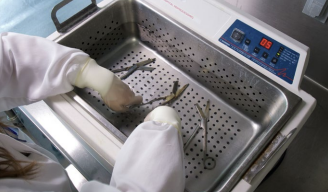
ISO 17664:2017 provides guidance on this issue and states that “At least one validated automated cleaning method (which may include a validated manual cleaning method as part of the automated cleaning validation) shall be specified unless the medical device cannot withstand any such process, in which case a statement shall be provided which alerts the user to this issue.”
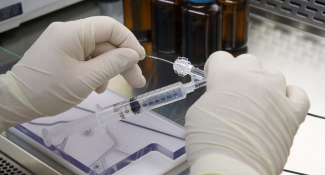
Particulate testing is required for medical devices to ensure patient safety, but there isn’t a lot of guidance available. Here are four important things you need to know about particulate testing on medical devices.